Alex Werner · 2 September 2026
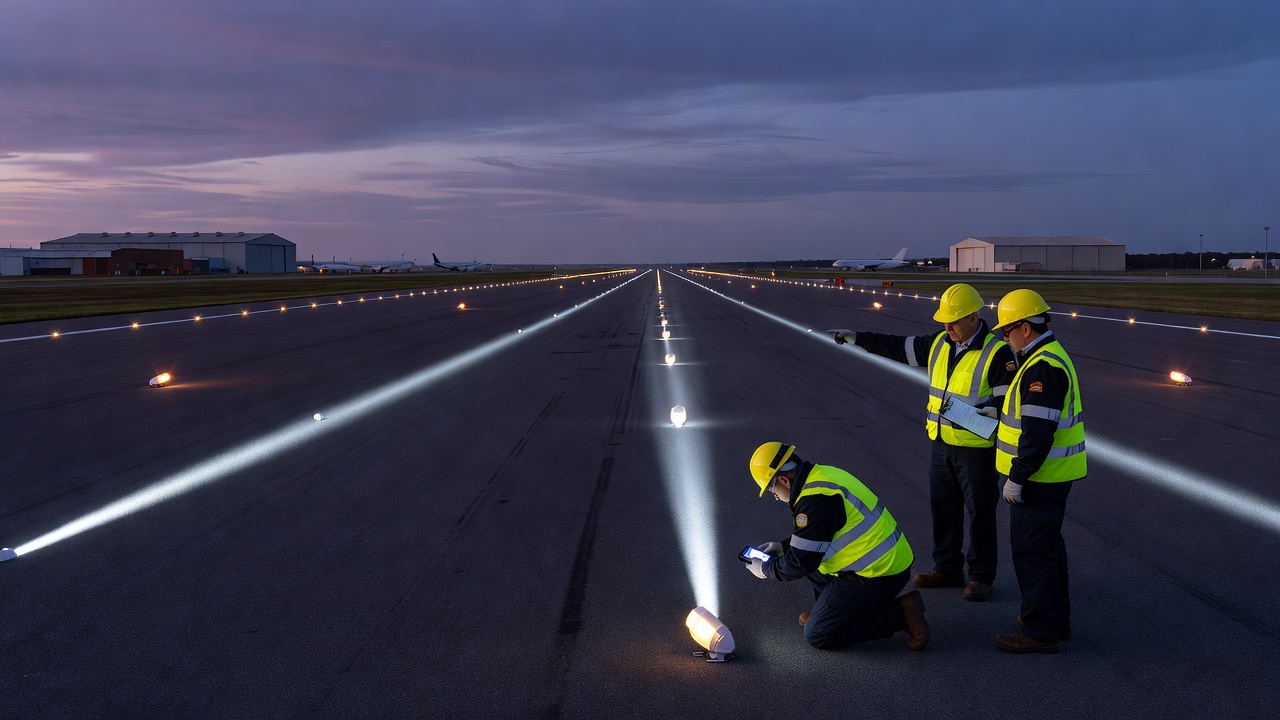
The Federal Aviation Administration has announced mandatory deadlines for commercial airports to convert traditional flare path lighting to energy-efficient LED systems by the end of 2025. The rule targets runway edge and approach lighting to improve safety and reduce operational costs across the national airspace system.
Regulatory Requirements and Timeline
Under the new directive, all Part 139 certificated airports must complete LED flare path installations no later than December 31, 2025. Larger hubs face interim milestones in mid-2024 for planning and procurement. The FAA cited reduced maintenance needs and better visibility in adverse weather as primary drivers. Noncompliance could result in operational restrictions or loss of federal funding eligibility. Airports will receive technical guidance and partial grant support through the Airport Improvement Program to offset conversion expenses estimated at $2-5 million per facility depending on runway configuration.
LED technology offers 50,000-hour lifespans versus 2,000 hours for incandescent lamps, cutting energy use by up to 70 percent. The FAA emphasized compatibility with existing electrical infrastructure while requiring updated photometric testing to meet current advisory circular standards.
Industry Impact and Implementation
Airport operators report accelerated vendor contracts as supply chains prepare for nationwide demand. Major carriers have welcomed the change, noting potential fuel savings from optimized lighting that supports lower landing minima. Smaller regional airports express concern over workforce training and temporary runway closures during installation. The FAA plans regional workshops to share best practices and case studies from early adopters that completed voluntary conversions last year. Long-term benefits include lower carbon emissions and enhanced resilience against supply disruptions for legacy bulbs. Stakeholders anticipate full compliance will modernize U.S. airport infrastructure and align with international LED adoption trends already underway in Europe and Asia.